29 March 2026
Five Design Factors that Make
Developments Investor-Friendly
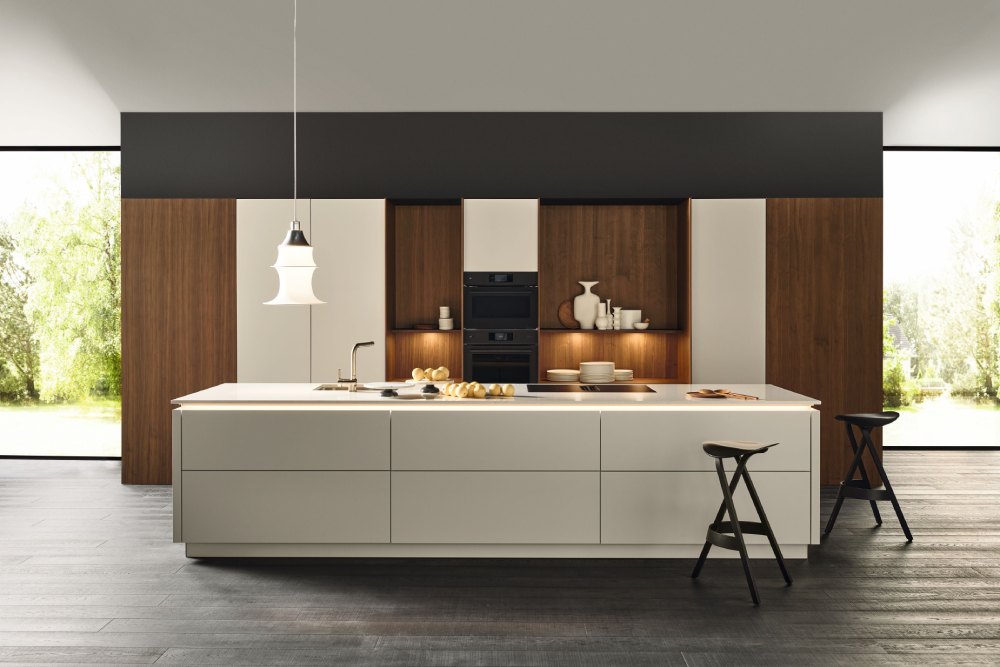
As Dubai's investor landscape evolves, investors place more emphasis on how homes perform and age. In 2025, the city recorded $250 billion in real estate transactions, with the investor base expanding by 24% year-over-year and welcoming 129,600 first-time investors. As the market matures, global capital has become more selective and focused on long-term value.
Interior planning, particularly kitchens, now plays a growing role in how a project is perceived and valued over time. Against this backdrop, Nolte FZE examines five design-led factors that define whether a development is truly investor-friendly.
Customised Interiors for a Diverse Investor Base
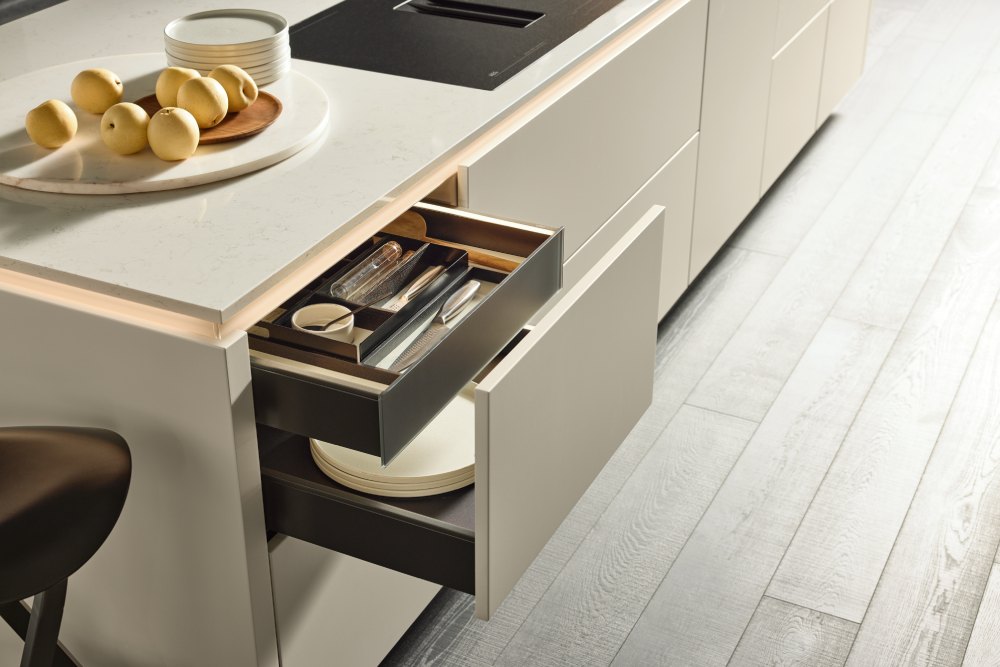
With over 40% of UAE real estate investors living overseas, customisation increases a project's relevance to a broader buyer pool and supports stronger resale demand. Across the Arab world, the kitchen sits at the centre of hospitality and daily life. Ramadan iftars, Eid gatherings, and weekly family meals place specific demands on space, storage, and circulation, driving the need for:
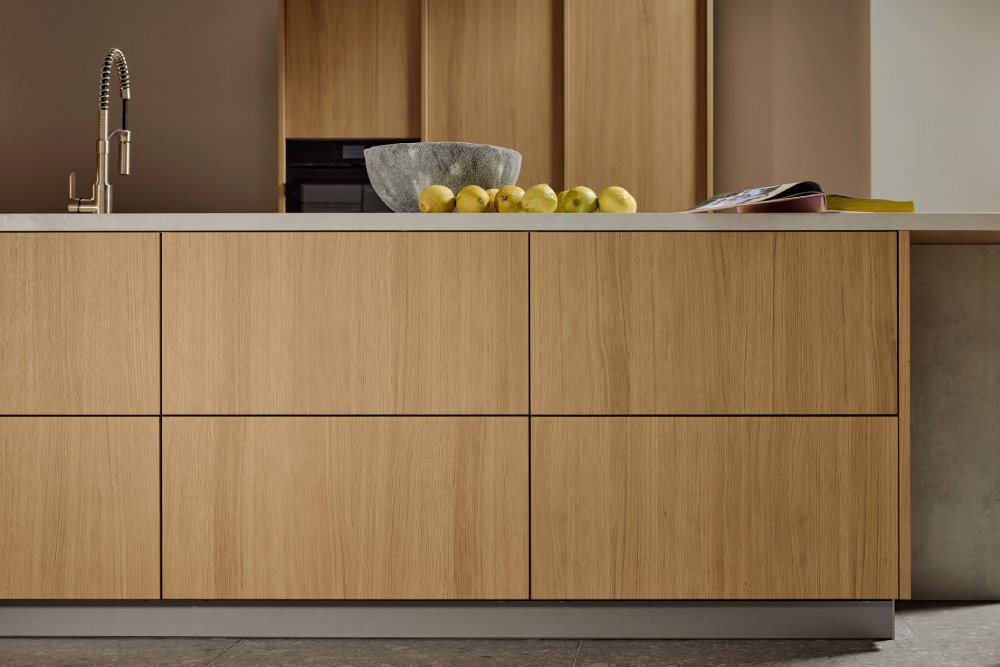
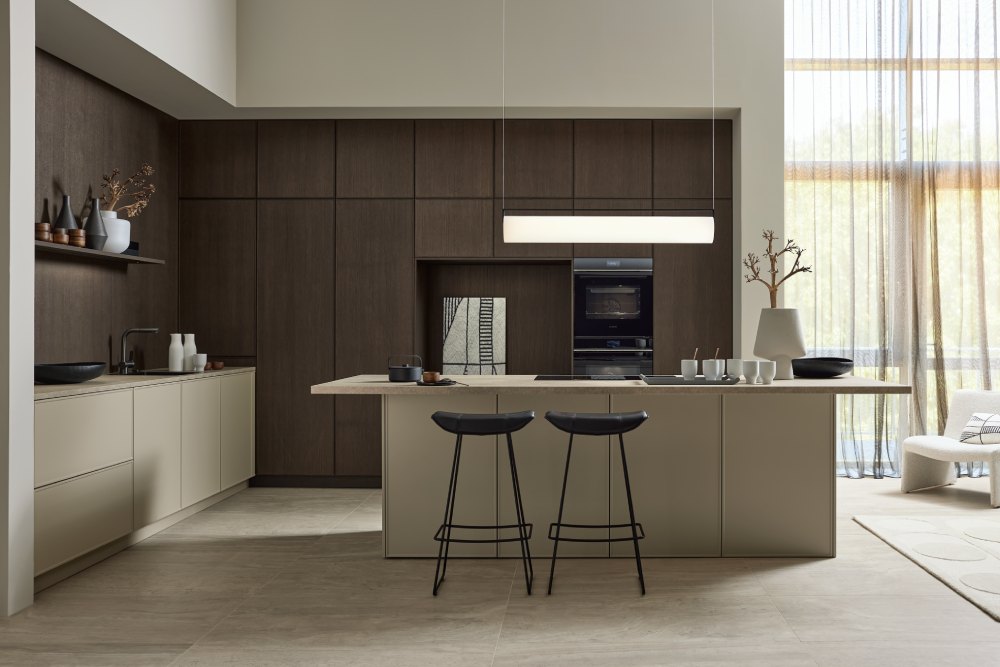
Meanwhile, international investors expect the minimalism associated with European living. Investor-friendly developments strike a balance, combining regional materials such as walnut tones and natural stone with European elements like handleless cabinetry, matte finishes, and integrated appliances.
Adaptability to the Middle East Climate
In this region, homes must perform reliably under high temperatures while managing constant exposure to heat, dust, and pests. Materials, fittings, and construction details that fail under environmental stress increase long-term operating costs and undermine asset value. Kitchen environments are particularly exposed due to frequent use, temperature fluctuations, and storage demands.
Nolte addresses these conditions through features developed specifically for the Middle East, including sealed edge protection that prevents dust and insects from entering cabinet units. By designing for resilience from the outset, developers can account for today's environmental realities, avoid costly interventions tomorrow, and extend product lifespan.
Sustainability and Ethical Production
Environmental responsibility has become a baseline expectation for investors. In the UAE, this shift is reinforced by national frameworks such as Net Zero 2050, alongside Dubai's Green Building Regulations and the continued growth of LEED-certified developments.
More than 70% of a kitchen is constructed using wood or wood-based materials, making responsible sourcing essential. Key sustainability standards include:
- Low-formaldehyde composites: Reducing harmful emissions
- Recycled content: Minimising environmental impact
- Certified timber: Ensuring responsible forestry practices
- FSC and PEFC certifications: International benchmarks for responsible material sourcing
These choices not only reduce environmental impact but also enhance indoor air quality and promote healthier living environments. Developments aligned with these standards send a clear signal to investors and health-conscious homeowners that sustainability and regulatory compliance are embedded into the asset itself.
Durability and Long-Term Value
Durability is one of the most overlooked drivers of real estate value, yet it has a direct impact on financial performance over time. Products built to last consume fewer resources across their lifecycle and deliver consistent quality. For investors, this translates into:
- Lower maintenance costs: Reduced need for repairs and replacements
- Stronger tenant satisfaction: Quality that performs consistently
- Greater confidence: In long-term value retention
Kitchens are among the most heavily used spaces in any home, making surface quality and material resilience critical considerations. Key durability features include:
- Matte finishes with anti-fingerprint properties: Reduce visible wear and minimise daily cleaning
- High-quality laminates: Resist moisture, heat, and everyday abrasion
- Durable lacquers: Maintain consistent appearance under frequent use
- Properly sealed edges: Prevent swelling, peeling, and surface degradation in warm climates
Innovation as a Differentiator
In a competitive market, developments must stand apart in tangible ways, and innovation signals future readiness. Projects that integrate adaptable, climate-resilient, and sustainably produced interiors are better positioned to meet regulatory changes, evolving buyer expectations, and long-term operational demands. As large, mixed-use developments become increasingly common across the UAE, consistency of quality across hundreds or thousands of units is critical.
Kitchens, as the emotional and social heart of the home, also demand:
- Continuous product development: Keeping pace with evolving standards
- Smarter storage solutions: Maximising functionality and efficiency
- Adaptable configurations: Reflecting changing lifestyles
This is where experienced project manufacturers add value, enabling tailored finishes, colours, and layouts to be delivered at scale without compromising engineering discipline or quality consistency.